
August 18, 2025

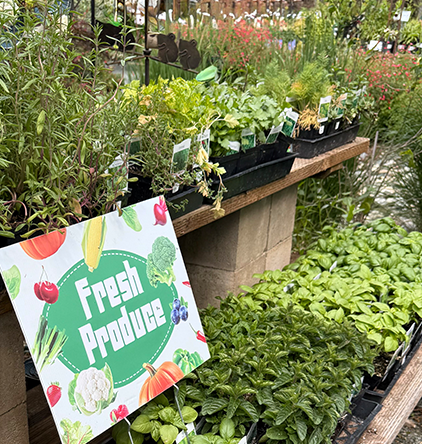
Starting a potted herb garden is a wonderful and affordable home project you can enjoy for yourself and share with others. The care and nurturing of your herbs is a rewarding process that will bring many benefits in every season year after year. The flavors and scents of fresh herbs added to your food dishes will spark your culinary interest to a whole new level.

When planning your garden, consider a variety of herbs that you may want to add to your culinary cuisine. Determine the type of lighting, space, and type of containers you want to use. Use pots with drainage holes to prevent waterlogging. The size of the pot can vary, but make sure, it’s appropriate for the herb’s growth needs. You may want to use pots and containers that are decorative or something that is practical and affordable. Whether you repurpose creative household items or recycle small plastic food containers, enjoy your new love and appreciation for herb gardening. Let’s get started!

Recommendations:

1. Potting Mix vs. Garden Soil

– Potting Mix: It’s highly recommended to use a commercial potting mix specifically designed for container gardening. Regular garden soil can be too dense for containers, leading to poor drainage and root rot. Potting mixes are lighter, allow for proper aeration, and often include ingredients that help retain moisture while also facilitating drainage.

– Soil Components: The best potting mixes generally have a blend of peat moss or coconut coir, perlite or vermiculite, and sometimes compost. This combination ensures your herbs have the right balance of moisture retention and drainage.

2. Drainage is Key

– Importance of Drainage: Herbs don’t like “wet feet,” meaning they don’t thrive in soggy soil. Proper drainage helps prevent root rot and allows the roots to breathe. Look for potting mixes that are labeled as well-draining or lightweight.

– Enhancing Drainage: You can also enhance drainage in your potting mix by adding perlite or coarse sand. The rule of thumb is to mix about 10-30% perlite or sand into your potting mix to improve aeration and water flow—perfect for herbs!

3. Caring for Your Herbs

Plan for sunlight, at least 6 hours a day, whether indoors or out. Water consistently, but don’t overdo it. Remember, regular harvesting encourages growth. Keep an eye out for pests and move them in or out based on weather. For the right growing environment, check the sunlight, temperature, and space. When growing herbs indoors, place plants near windows with adequate sunlight. If you are growing herbs outdoors, choose a spot with the right amount of sun and consider the climate. Match the plant’s needs to your environment. Tailor the environment to each herb’s unique needs for the best growth. Most herbs are pretty forgiving, but giving them what they love boosts their growth and flavor.

4.Seed Starting & Transplanting

Start by choosing quality seeds and planting them in seed-starting mix. Provide consistent moisture and warmth, and ensure they get plenty of light, either from a sunny window or horticultural (plant) lights. Be patient and thin seedlings for space. When plants are strong enough to move, transplant them into your pots. It’s a nurturing process, but worth it.
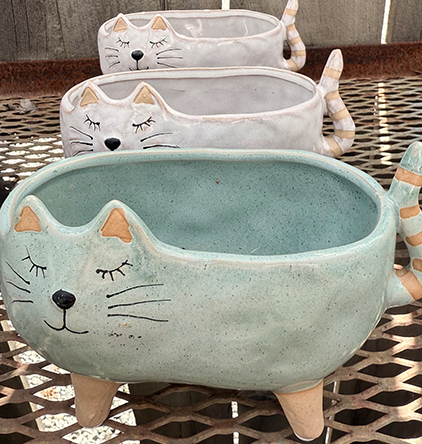
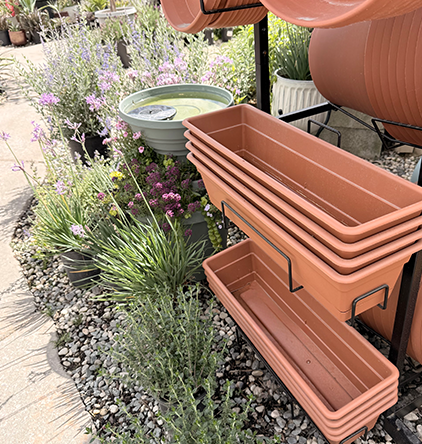
To pot a plant:

  1. Choose a pot with drainage holes.
  2. Place a layer of gravel or small rocks at the bottom for drainage.
  3. Partially fill with appropriate potting/seed starting mix
  4. Gently remove the plant from its original container and loosen the roots.
  5. Place the plant in the new pot, centering it.
  6. Fill around the plant with more potting mix, pressing down lightly.
  7. Water thoroughly and let it drain.

Suggested Herbs

1. Basil

– Description: A staple in Italian cuisine, basil is aromatic and perfect for sauces and salads.

– Growing Tips: It loves warm weather and the full sun. Water consistently, but don’t overdo it. Basil prefers slightly dry soil between watering.

2. Mint

– Description: Mint is refreshing and can be used in drinks, desserts, or as a garnish.

– Growing Tips: Mint can be quite vigorous and can overtake other plants. It’s best to plant it in a container on its own. Keep it in partial shade during hot afternoons.

3. Chives

– Description: Chives give a mild onion flavor and are fantastic in salads, soups, or as a garnish.

– Growing Tips: They do well in full sun and can tolerate a bit of shade. Keep the soil moist but well-draining.

4. Parsley

– Description: Versatile and nutrient-packed, parsley can be flat-leaf or curly and is often used in Mediterranean dishes.

– Growing Tips: Parsley does best with six hours of sunlight and needs regular watering to keep soil moist.

5. Thyme

– Description: Thyme has a robust flavor and pair well with meat and vegetables.

– Growing Tips: It loves well-drained soil and plenty of sun. Water sparingly, as thyme prefers drier conditions

6. Oregano

– Description: A Mediterranean favorite, oregano is essential in pizza and pasta recipes.

– Growing Tips: Plant it in a sunny spot with good drainage. It can tolerate drier soil, so don’t water too often!

7. Rosemary

– Description: This fragrant herb is fantastic for roasting meat and adding depth to dishes.

– Growing Tips: Rosemary thrives in full sun and prefers sandy, well-draining soil. Make sure to let it dry out between waterings.

8. Sage

– Description: With its earthy flavor, sage is excellent in stuffing and savory dishes.

– Growing Tips: Sage likes sunny, dry conditions and should be watered less frequently, similar to rosemary

9. Cilantro (Coriander)

– Description: Cilantro leaves are fantastic in salsa and guacamole, while the seeds (coriander) are used as a spice.

– Growing Tips: It prefers cooler weather and can bolt quickly in heat, so be sure to water regularly and place it in a spot with some afternoon shade.

10. Dill

– Description: Dill has a distinct, feathery look and is great for pickles or as a seasoning in fish dishes.

– Growing Tips: It enjoys full sun and well-drained soil. Keep watered, but avoid soggy conditions.

* Companion Planting: You can mix herbs that thrive together—just make sure they have similar water and sunlight needs!

In conclusion, having an herb garden is not just about growing plants; it’s a delightful journey that brings fresh flavors to your kitchen, boosts your cooking creativity, and connects you with nature. The joy of harvesting your own herbs is truly rewarding—imagine snipping fresh basil for pasta or adding a sprinkle of dill to your favorite dish! Plus, it’s a fun and relaxing hobby that provides a sense of accomplishment and adds a touch of greenery to your space. So go ahead, dig in and enjoy the abundant benefits your herb garden has to offer!